





Edições anteriores
-
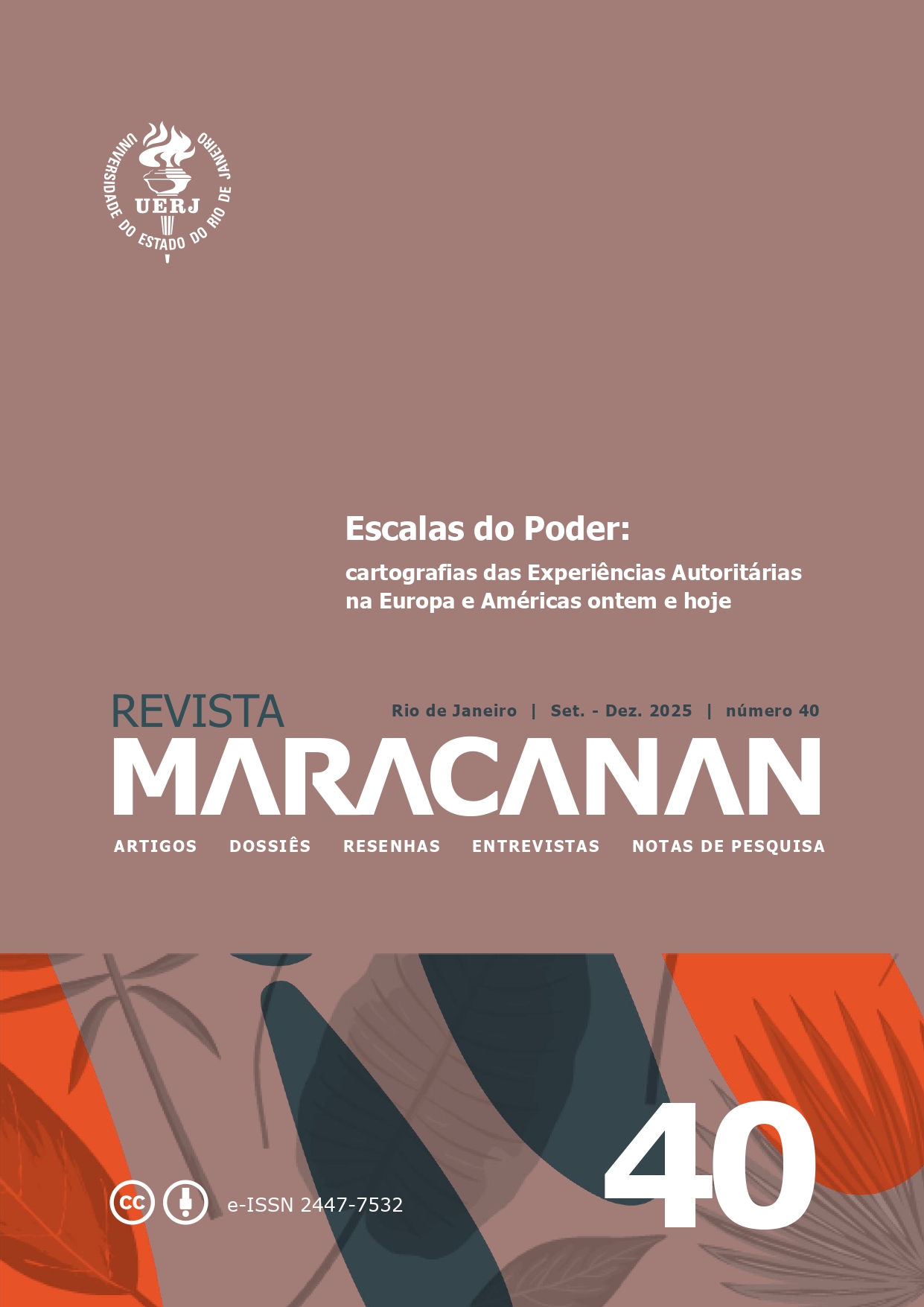
Escalas do Poder: cartografias das experiências autoritárias na Europa e Américas ontem e hoje
n. 40 (2025)O dossiê, organizado por Karl Schurster (Universidade de Vigo; Universidade de Pernambuco), Tatyana de Amaral Maia (Universidade do Estado do Rio de Janeiro) e David Nemer (University of Virginia), examina as continuidades e transformações das direitas autoritárias do século XX às novas extremas-direitas do século XXI. Partindo da história dos fascismos europeus e das ditaduras latino-americanas, os textos investigam como, após a redemocratização, emergem novamente movimentos personalistas, negacionistas e moralistas que se valem das mídias digitais e dos mecanismos democráticos para corroer a própria democracia. Reunindo estudos sobre o integralismo brasileiro, o autoritarismo da ditadura civil-militar e as direitas radicais contemporâneas, o dossiê propõe uma leitura transnacional e comparada desses fenômenos, destacando o papel da História na compreensão e resistência às novas formas de autoritarismo.
-
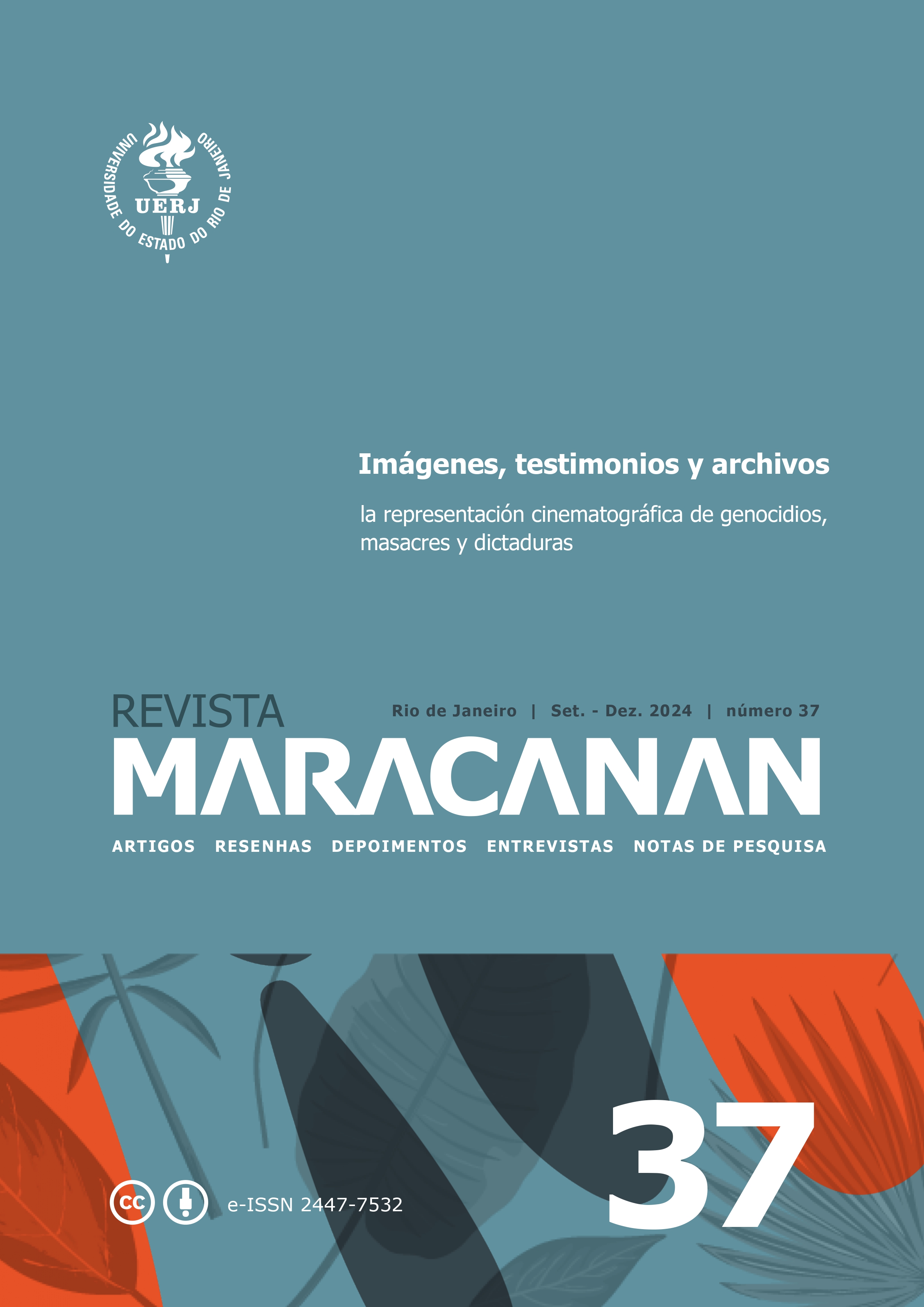
Imágenes, testimonios y archivos: la representación cinematográfica de genocidios, masacres y dictaduras
n. 37 (2024)Los artículos del dossier, organizado por Gilda Bevilacqua y Lior Zylberman, analizan cómo el cine, desde su invención, ha documentado y moldeado imaginarios sobre estos eventos, siendo utilizado tanto para crear conciencia como para influir en la memoria colectiva. A lo largo del siglo XX, las películas y los documentales se convirtieron en instrumentos cruciales para el análisis y la comprensión históricos. El numero destaca los desafíos éticos, estéticos y cognitivos en la representación de la violencia masiva. La edición también presenta 10 entrevistas realizadas a historiadores brasileños sobre el 60 aniversario del golpe cívico-militar de 1964.
-
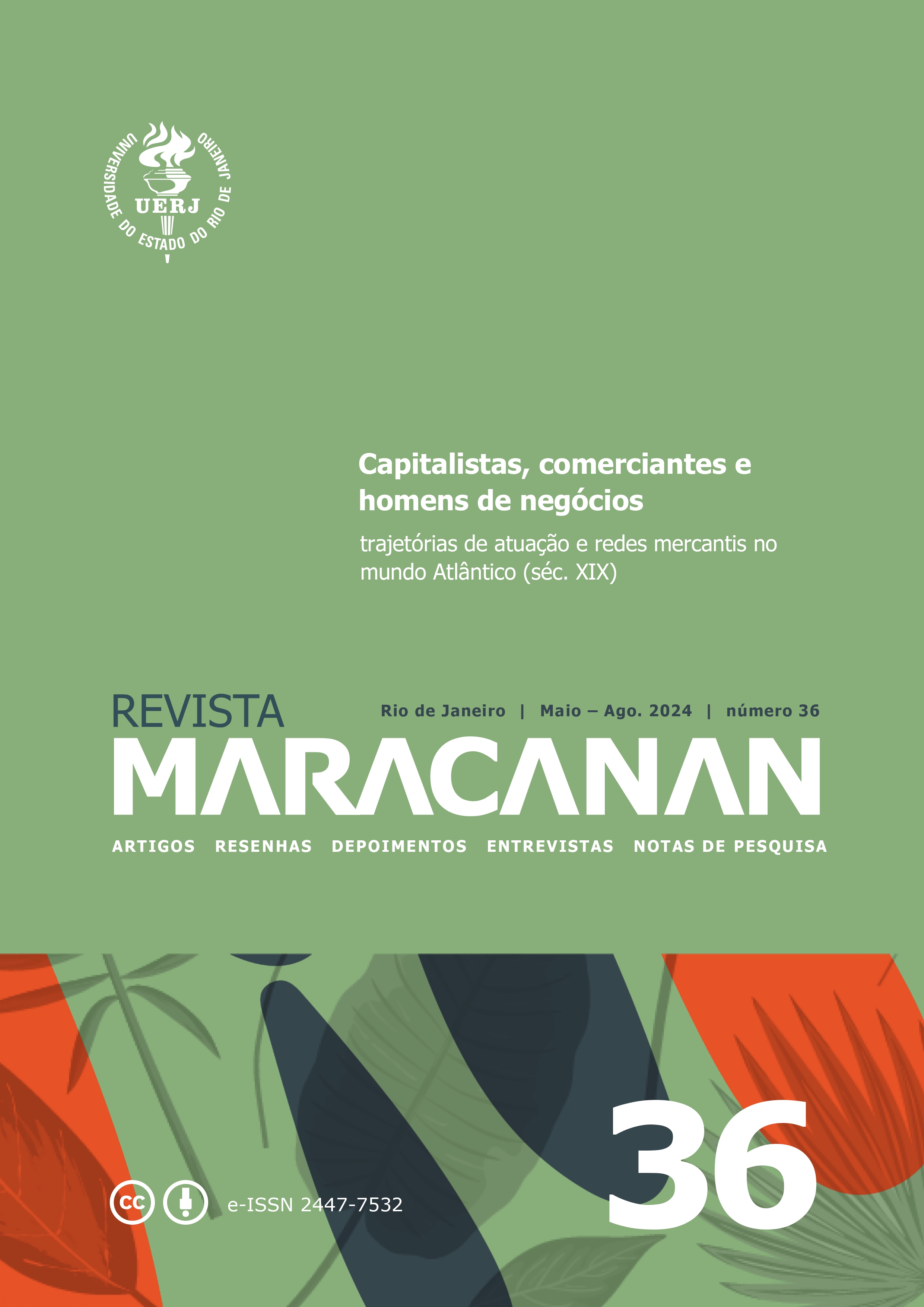
Capitalistas, comerciantes e homens de negócios: trajetórias de atuação e redes mercantis no mundo Atlântico (séc. XIX)
n. 36 (2024)O presente Dossiê reúne bons exemplos de como análises em História Econômica se ampliaram e diversificaram os seus olhares. Novos temas e novas fontes documentais são incorporadas para compreender melhor a atuação mercantil, o comportamento social e o perfil de investimentos dos comerciantes e homens de negócios no mundo atlântico dos séculos XVIII e XIX. Nos artigos a seguir, os leitores e as leitoras poderão perceber a diversidade regional das contribuições trazidas pelos autores e autoras que estudaram a trajetória de negociantes desde as fronteiras do norte até as do sul do Brasil, colaborando com análises que oferecem uma ideia mais abrangente das práticas mercantis da época. Além disso, por meio de um variado repertório de fontes, o conjunto de artigos evidencia os distintos espaços de atuação dos comerciantes para além das preocupações mercantis do seu cotidiano, como o seu interesse pelo turfe, filantropia, nobilitação e caridade.
1-10 de 42
Próximo


