EVALUACIONES DE IMPACTO AMBIENTAL
DOI:
https://doi.org/10.12957/ric.2025.93158Resumo
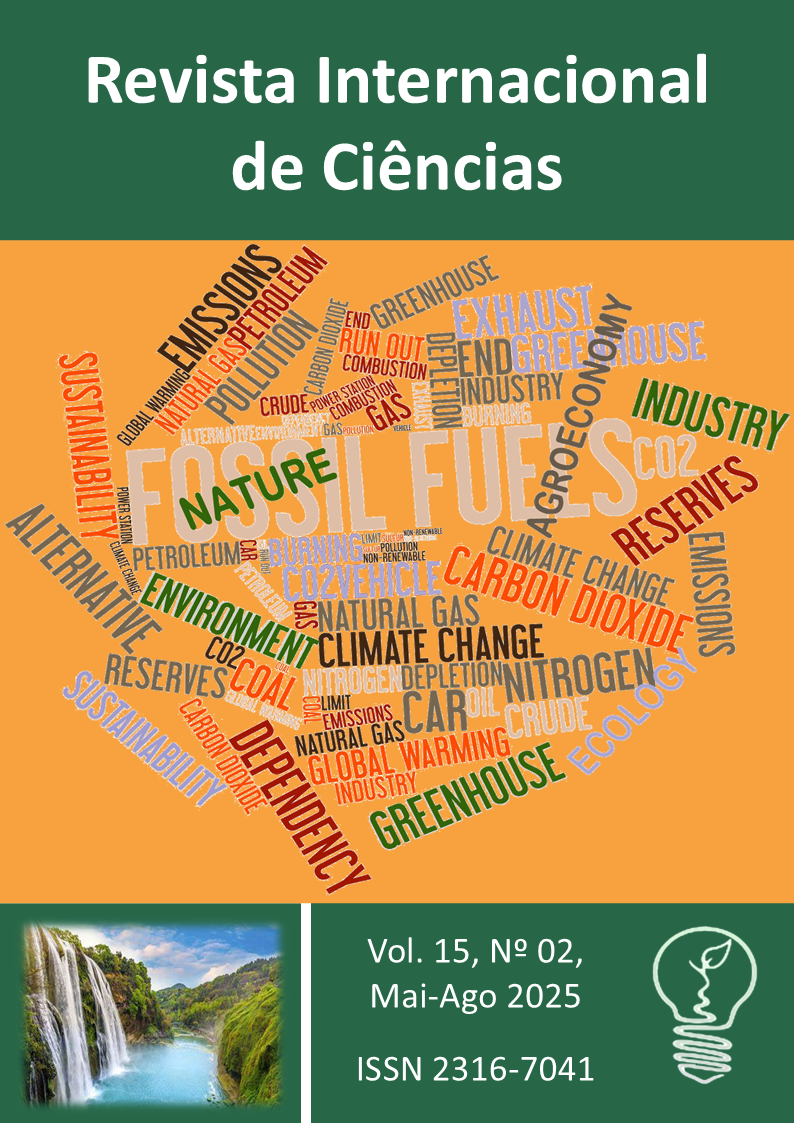
El presente artículo aborda la evolución conceptual del medio ambiente desde finales de los años sesenta, diferenciando su interpretación en países industrializados — centrada en problemáticas de contaminación y abordajes tecnológicos — y en países en desarrollo, donde prevalecen enfoques socioeconómicos y políticos relacionados al subdesarrollo. Se examina la génesis, expansión y aplicación de las evaluaciones de impacto ambiental (EIA), con énfasis en su desarrollo en Estados Unidos bajo la NEPA (1970) y su implementación temprana en Brasil en proyectos financiados por organismos multilaterales. El estudio revisa los fundamentos metodológicos, las limitaciones técnicas, y la propagación espacio - temporal de los impactos, destacando la necesidad de establecer criterios de cuantificación y modelos interpretativos eficaces. Asimismo, se analiza la participación ciudadana como herramienta de legitimación y generación de conocimiento en el proceso evaluativo. Se contrastan diversas definiciones institucionales y académicas, resaltando la EIA como un instrumento sistemático de planificación, capaz de integrar variables ambientales en proyectos, programas y políticas, en favor de la sustentabilidad y del bienestar socioambiental.
PALABRAS – CLAVES: Impacto ambiental, EIA, AIA, Política Ambiental.
Downloads
Publicado
Como Citar
Edição
Seção
Licença
Copyright (c) 2025 João Paulo Fernandes de Almeida, Cleber Vinicius Akita Vitorio, Josimar Ribeiro de Almeida, Letícia Cardoso Bispo, Raphael do Couto Pereira

Este trabalho está licenciado sob uma licença Creative Commons Attribution 4.0 International License.
Os Direitos Autorais dos artigos publicados na revista Revista Internacional de Ciências pertencem ao(s) seu(s) respectivo(s) autor(es), com os direitos de primeira publicação cedidos à RIC.
Os artigos publicados são de acesso público, de uso gratuito, com atribuição de autoria obrigatória, para aplicações de finalidade educacional, de pesquisa de acordo com o modelo de licenciamento Creative Commons 4.0 adotado pela revista.

A Revista Internacional de Ciências utiliza uma Licença Creative Commons Atribuição 4.0 Internacional.